
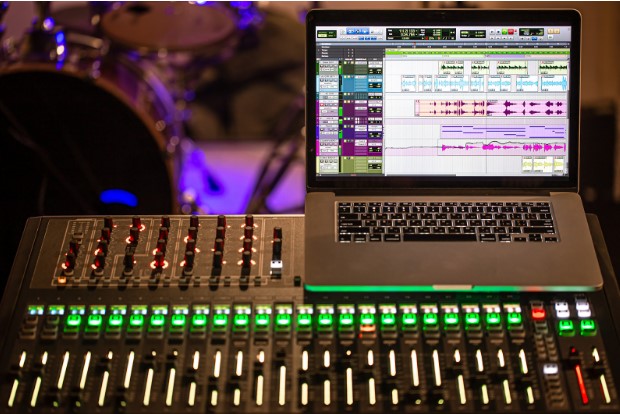
In today’s fast-paced business world, effective communication and collaboration are essential for success. One of the key components that enable seamless meetings and presentations is the audio visual (AV) system. Whether you’re hosting a virtual conference, conducting a training session, or delivering a high-stakes pitch, understanding the core elements of an AV system can make all the difference in ensuring a smooth and impactful experience.
The Anatomy of an Audio-Visual System
At the core of any audio-visual (AV) system are essential hardware and software components, including displays (projectors, screens, LED walls, interactive whiteboards), audio equipment (microphones, speakers), connectivity options (cables, ports, wireless technologies like HDMI and Bluetooth), control systems (remote controls, touchscreen panels), and presentation sources (laptops, desktop computers, mobile devices) that collectively ensure the system’s functionality.
The Role of Audio Visual Systems in Meetings and Presentations
In the context of meetings and presentations, the AV system plays a pivotal role in elevating the overall experience. By leveraging the capabilities of these technologies, you can:
A well-designed audio visual system can captivate your audience, keeping them engaged and attentive throughout the proceedings. High-quality displays, immersive audio, and intuitive controls create an environment that encourages active participation and collaboration.
Whether your team is gathered in a physical space or dispersed across multiple locations, the AV system facilitates seamless collaboration. Features like video conferencing, screen sharing, and interactive whiteboards enable real-time information exchange and decision-making.
By integrating your presentation sources with the AV system, you can ensure a smooth and polished delivery. Effortlessly transition between slides, videos, and other multimedia content, while maintaining a professional and organized flow.
AV systems can also play a crucial role in ensuring inclusivity. Features like closed captions, language translation, and adjustable volume and brightness settings can accommodate diverse audience needs, making the meeting or presentation accessible to all participants.
Selecting the Right Audio Visual System for Your Needs
When it comes to choosing the right AV system for your organization, it’s essential to consider your specific requirements and the unique characteristics of your meeting spaces. Key factors to consider include the size of the room, the number of attendees, the type of content you’ll be presenting, and the level of interactivity required.
Consulting with experienced AV professionals can be invaluable in this process. They can help you navigate the vast array of options, assess your needs, and design a tailored solution that optimizes the performance and user experience of your AV system.
Maintaining and Upgrading Your Audio Visual System
To ensure the continued efficiency and reliability of your AV system, it’s crucial to implement a comprehensive maintenance plan. Regular software updates, hardware inspections, and proactive troubleshooting can help prevent unexpected malfunctions and ensure a seamless user experience.
As technology continues to evolve, it’s also important to stay attuned to the latest advancements in the AV field. Regularly evaluating your system’s capabilities and upgrading components as needed can keep your organization at the forefront of innovation, enabling you to leverage the most cutting-edge features and functionalities.
Conclusion
The audio visual system is a critical component in the modern business landscape, powering engaging meetings, presentations, and collaborative experiences. By understanding the core elements of an AV system and how to optimize its use, you can unlock a world of possibilities, elevating your organization’s communication and collaboration capabilities to new heights.

