

Introduction to Google Pixel 10 and Google Pixel 10 Pro
The smartphone market is changing with each new generation of devices. The Pixel series from Google is now one of the most acclaimed Android smartphone lines in the world. The next Google Pixel 10 and Google Pixel 10 Pro are likely to continue this history with better technology, smarter AI, and a more polished design. In the last few years, Google has marketed the Pixel line as a phone that is mostly about smart software and new camera technology. People are excited about the next generation because they expect improved performance, better cameras, and longer battery life.
A lot of tech fans are excited to see how the Google Pixel 10 will make everyday smartphone use better. The Google Pixel 10 Pro is believed to be aimed at high-end users who want the best specs. These devices will probably follow Google’s plan to add powerful AI functions directly to the operating system, which will make routine chores easier and more natural. The next generation of Pixel smartphones seems like they will be great for both casual users and tech enthusiasts, from taking pictures to getting things done.
Better design and build quality
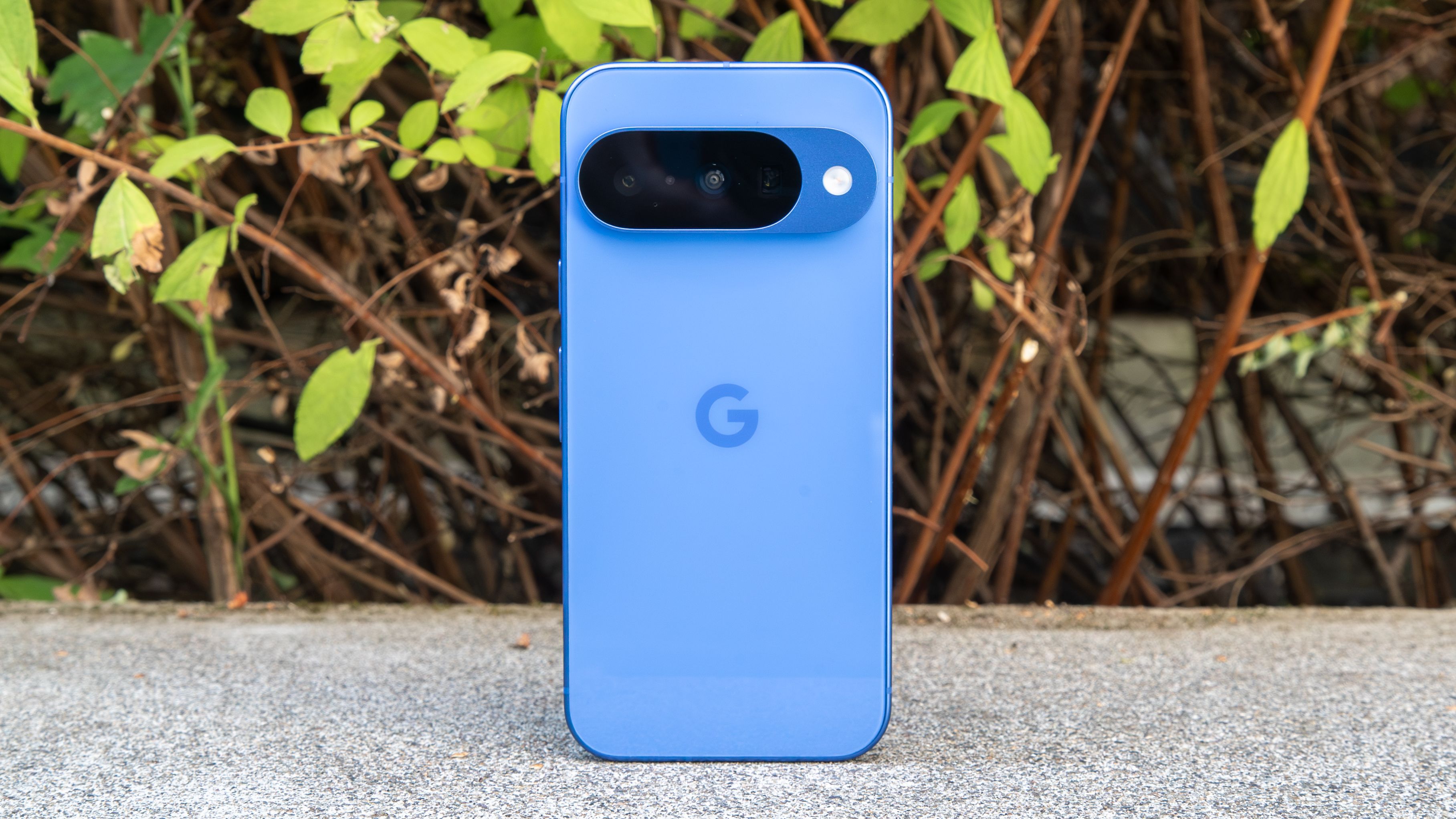
Google’s Pixel phones have always been designed with modern looks and ease of use in mind. The Google Pixel 10 is likely to follow this trend with a sleek, simple design that puts comfort and ease of use first. Reports say that Google might use better materials and make the device last longer to make it feel more premium in your hand. The phone could seem both current and familiar with a slimmer shell, curved edges, and a camera module that has been significantly changed.
The Google Pixel 10 Pro, on the other hand, might push the design even farther by using better materials like polished metal frames and glass panels that last longer. People who adore beautiful flagship smartphones are likely to be drawn to the premium finishes and color options. Another projected improvement is that the gadgets would be better at keeping out water and dust, which will make them more trustworthy for everyday usage.
There should also be a more immersive display area, with thinner bezels and maybe a better OLED panel. The revised design language of both versions will probably make sure that the Google Pixel 10 and Google Pixel 10 Pro stand out from other smartphones on the market.

Performance and the Next-Gen Processor
One of the most significant things about any smartphone is how well it works, and Google has been steadily refining its custom chip technology. The Google Pixel 10 is likely to use a new Tensor processor made by Google. This processor will probably be faster, use less energy, and have superior AI capabilities than older models.
The new processor might make things like multitasking, gaming, and video editing faster and smoother. The google pixel 10 will be able to do complicated things like real-time translation, speech recognition, and advanced picture processing with little delay since the hardware and software will work together.
The Google Pixel 10 Pro, on the other hand, is intended to take performance to the next level. The Pro model might include more RAM and better thermal management, which would make sure that it works well even when running demanding apps. People who use their smartphones for work, making content, or high-performance gaming may find the Google Pixel 10 Pro especially tempting because of its strong hardware.
New ideas in camera systems and photography
The camera system has always been one of the most important parts of Google’s Pixel phones. The Google Pixel 10 is likely to maintain Google’s tradition of providing great photographic features thanks to powerful computational photography. Google’s software processing has always made beautiful photos, even with quite modest hardware.
The updated model might have better sensors, work better in low light, and analyze images faster. Night Sight, portrait upgrades, and AI-powered editing tools are just a few examples of features that may get even better. The Google Pixel 10 will probably make it easier for people to take professional-looking pictures without having to know a lot about photography.
The camera configuration on the Google Pixel 10 Pro will presumably be much more flexible. A triple or quad-camera system with better telephoto capabilities might let people take detailed pictures from far away. Content creators might also like the Google Pixel 10 Pro because it has better video recording features like better stabilization and AI-assisted video editing.
How to Use Software and Connect to Android
Google’s Pixel phones are recognized for giving the best Android experience, and the Google Pixel 10 will probably be the same. The handset will likely get special features and faster updates than other Android phones because it runs the latest version of Android. This makes sure that consumers have a safe, smooth, and optimized experience.
AI is likely to have a bigger impact on how users interact with things. The Google Pixel 10 could include smarter voice assistants, better predictive text, and AI-powered task automation. These features can make things like scheduling, texting, and handling notifications easier to do every day.
The Google Pixel 10 Pro may provide extra productivity tools and customization choices for power users. Google might provide more powerful multitasking features that make it easy for users to run several apps at once. The Google Pixel 10 Pro will probably stand out among flagship smartphones since AI and software will work together more closely.
Charging technology and battery life
Users also anticipate battery performance to go better all the time. The Google Pixel 10 is likely to include a bigger battery and a faster processor, which will let people use it for longer periods of time throughout the day. With better power management, the phone might automatically change background operations to save battery life.
There will probably be advances in fast charging technologies as well. The Google Pixel 10 might be able to charge faster with a wired connection and better with a wireless connection. This means that customers can charge their devices faster while still getting a lengthy battery life.
With a bigger battery and smarter energy management capabilities, the Google Pixel 10 Pro should provide even better battery life. Advanced adaptive charging technology could help batteries last longer by learning how the user charges their device and changing how it charges. These changes will make sure that the Google Pixel 10 Pro stays reliable for people who use their phones a lot for business and fun.
Technology for displays and the visual experience
The screen is one of the most apparent parts of a smartphone, and both of the new phones are likely to have great screen technology. The Google Pixel 10 will probably include a bright OLED screen with better color and brightness accuracy. This will make it more fun to watch videos, look at images, and play games.
It might also come with a display with a faster refresh rate, which would make scrolling and responding smoother. The Google Pixel 10 might have adaptive refresh technology that automatically changes the refresh rate to find the best balance between performance and battery life.
The Google Pixel 10 Pro may include a bigger screen with a higher resolution and greater HDR support for consumers who want an even better viewing experience. This means that the colors will be more true, the highlights will be brighter, and the contrast will be deeper. With these display enhancements, the Google Pixel 10 Pro might be a great tablet for watching movies and doing creative work.
Conclusion
The next phase in Google’s smartphone growth is the Google Pixel 10 and Google Pixel 10 Pro. These gadgets are intended to provide a powerful and easy-to-use experience thanks to better design, stronger performance, better cameras, and deeper integration of artificial intelligence. Google’s focus on combining powerful hardware with excellent software is what makes the Pixel series stand out from many other brands.
Read More:- Drone Camera Price Guide: Features, Types, and Smart Buying Tips