

Introduction
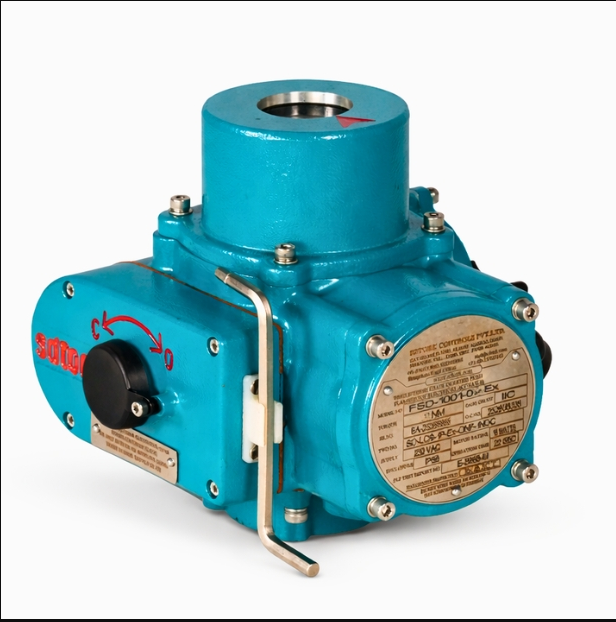
Electric actuators are important components in modern industrial automation because they provide controlled mechanical movement without requiring constant manual operation. They are widely used to operate valves, dampers, gates, and other mechanical equipment in manufacturing, water treatment, HVAC, energy, and process industries. However, not every application requires the same type of actuator. Environmental exposure, mechanical load, operating frequency, speed, and control requirements all influence the appropriate choice. A Weatherproof Electric Actuator is particularly suitable for installations exposed to moisture, dust, rain, and changing outdoor conditions. A High Torque Electric Actuator is designed for applications where greater rotational force is necessary, while a Heavy Duty Electric Actuator is intended for demanding environments and intensive operating conditions. Understanding these differences makes it easier to select equipment that delivers dependable performance and long-term value.
What Is an Electric Actuator?
An electric actuator is a motor-driven mechanical device that converts electrical energy into controlled movement. Depending on its design, the movement may be rotary or linear. The actuator is connected to equipment such as a valve, damper, or gate and moves that equipment according to an electrical command. This makes it possible to operate machinery remotely or automatically through switches, controllers, programmable systems, and industrial automation networks.
Electric actuators can be configured for simple open-and-close applications or more advanced positioning tasks. In a basic installation, the actuator may move a valve between two predetermined positions. More sophisticated systems can provide intermediate positioning and feedback, allowing operators or control systems to monitor and adjust the exact position. The correct actuator therefore depends not only on physical size but also on the force, speed, accuracy, environmental protection, and control functions required by the application.
Weatherproof Electric Actuator for Outdoor Equipment
A Weatherproof Electric Actuator is designed for applications where the actuator may be exposed to outdoor or damp environmental conditions. Rain, humidity, dust, water splashes, and temperature variations can affect electrical and mechanical components if they are not adequately protected. A suitable weather-resistant enclosure helps shield internal components from these external influences and supports reliable operation.
Outdoor water-treatment systems, irrigation equipment, HVAC installations, industrial gates, and process-control systems can benefit from weather-resistant actuator designs. However, selecting a weatherproof model is only one part of achieving reliable outdoor performance. Installation quality is equally important. Cable entries, electrical connections, mounting positions, and sealing arrangements should all be handled correctly. If water can enter through an improperly installed cable connection, the enclosure’s protective features may be compromised. Therefore, environmental protection should always be considered together with proper installation and maintenance practices.
Understanding High Torque Requirements
A High Torque Electric Actuator is designed for applications where considerable rotational force is required to move a mechanical component. Large valves, heavy dampers, industrial gates, and equipment operating under significant resistance may require more torque than a standard actuator can provide. Choosing an actuator with insufficient torque can cause incomplete movement, motor overheating, excessive wear, or even operational failure.
Torque requirements are influenced by several factors. These can include valve or damper design, friction, pressure, temperature, mechanical resistance, and starting conditions. Some equipment requires significantly more torque to begin movement than it needs once movement has started. Engineers should therefore consider both starting and running requirements when selecting an actuator. An appropriate safety margin is also valuable because operating conditions can change over time. Proper torque selection allows the actuator to perform its task without being continuously pushed beyond its intended operating capacity.
Heavy Duty Electric Actuator for Industrial Service
A Heavy Duty Electric Actuator is intended for applications where equipment must withstand demanding operating conditions. Industrial facilities may require actuators to handle frequent cycles, high mechanical loads, vibration, elevated temperatures, or extended periods of operation. In these environments, actuator durability becomes an important factor in maintaining production reliability.
Heavy-duty construction can involve stronger housings, robust gears, durable bearings, improved sealing, and components designed for demanding service. Nevertheless, the term heavy duty should not be interpreted as meaning that every model is suitable for every difficult application. The actuator still needs to be correctly matched with the load, duty cycle, operating speed, and environmental conditions. A properly selected actuator can reduce unnecessary stress and support consistent performance over an extended operating period.
Comparing Different Actuator Requirements
The three actuator categories address different aspects of industrial operation. Weatherproof models focus primarily on environmental protection, high-torque models emphasize mechanical force, and heavy-duty models focus on durability and demanding service. Some applications may require a combination of these characteristics. For example, an outdoor industrial valve may need strong weather protection while also requiring substantial torque.
| Actuator Type | Primary Requirement | Common Application |
|---|---|---|
| Weatherproof Electric Actuator | Protection from environmental exposure | Outdoor valves, gates, and dampers |
| High Torque Electric Actuator | High rotational force | Large valves and heavy dampers |
| Heavy Duty Electric Actuator | Durability under demanding service | Industrial processing equipment |
This comparison demonstrates why actuator selection should be based on actual operating requirements rather than simply choosing the most powerful available product. An actuator should have enough capacity for its application without being unnecessarily oversized. Careful selection can improve reliability and make the overall system more economical.
Key Factors When Selecting an Actuator
The first consideration should be the mechanical requirements of the equipment being controlled. Engineers need to understand how much torque or force is required and whether the actuator must provide continuous movement, intermittent operation, or occasional positioning. Valve type, shaft dimensions, damper construction, friction, pressure, and mechanical configuration can all affect the required actuator capacity.
Electrical compatibility is another important consideration. Voltage, phase, frequency, control signals, and available power must match the actuator’s specifications. An actuator may also require limit switches, position feedback, emergency functions, or compatibility with an industrial control system. Understanding these requirements before installation can prevent compatibility problems and reduce commissioning delays.
Environmental conditions should also be evaluated carefully. A Weatherproof Electric Actuator can be appropriate for outdoor installations, but the required protection level should correspond to the actual environment. Facilities exposed to dust, moisture, corrosive substances, extreme temperatures, or frequent cleaning may require additional protection. Selecting an actuator based on real environmental conditions can contribute significantly to long-term reliability.
Speed and Duty Cycle
Torque is important, but actuator speed also affects system performance. A valve or damper may need to open or close within a specific period. If the actuator moves too slowly, the process may not respond quickly enough. If it moves too rapidly, sudden changes in pressure or flow could create undesirable operating conditions.
A High Torque Electric Actuator should therefore be assessed for both torque capacity and movement speed. Gear systems can provide higher output torque while reducing rotational speed, so the relationship between these specifications should be considered carefully. Duty cycle is equally important. Some applications require only occasional operation, while automated production systems may operate an actuator repeatedly throughout the day. Choosing equipment with an appropriate duty rating helps reduce excessive heating and mechanical wear.
Benefits of Heavy-Duty Actuator Construction
A Heavy Duty Electric Actuator can offer valuable advantages when reliability is essential. Industrial processes often operate for long periods, and an actuator failure can interrupt production or affect the operation of an entire system. Robust components can help the actuator tolerate demanding mechanical and operational conditions.
Heavy-duty equipment can also be useful where access for maintenance is difficult. Although regular inspection is still necessary, durable construction can support longer service intervals when combined with correct operation and maintenance. The actuator should always be operated within its specified limits. Even a robust actuator can experience premature wear if it is repeatedly overloaded, incorrectly aligned, or exposed to environmental conditions beyond its rated capabilities.
Installation Best Practices
Proper installation is essential for actuator performance. Mechanical alignment between the actuator and the driven equipment should be checked carefully. Misalignment can create additional friction and place unnecessary loads on shafts, couplings, and gears. Mounting hardware should be secure, and the actuator should be installed according to the manufacturer’s technical requirements.
When installing a Weatherproof Electric Actuator, special attention should be given to electrical cable entries and sealing points. Outdoor installations should prevent water from collecting around vulnerable connections. Wiring should be protected and routed appropriately to reduce the possibility of damage. Before commissioning, technicians should verify movement direction, limit settings, control signals, and the connection between the actuator and the driven equipment.
Maintenance for Long-Term Performance
Regular maintenance helps preserve actuator reliability and identify potential problems before they become serious failures. Inspection schedules should reflect the operating environment and frequency of use. Common checks can include examining electrical connections, mounting hardware, seals, mechanical components, and signs of overheating or corrosion.
For high-load applications, a High Torque Electric Actuator should receive particular attention because gears, couplings, and other mechanical components can experience considerable stress. Changes in operating noise, vibration, speed, or current consumption may indicate a developing problem. Identifying these changes early can allow maintenance personnel to investigate the cause before equipment performance deteriorates.
Industrial facilities using a Heavy Duty Electric Actuator should also maintain appropriate service records. Tracking inspections, operating conditions, repairs, and component replacements can help maintenance teams understand equipment behavior over time. Preventive maintenance can ultimately reduce unexpected downtime and improve the useful life of the actuator.
Common Industrial Applications
Electric actuators are used across numerous industries because automated movement improves operational convenience and process control. Water and wastewater plants use actuators to control valves and gates. HVAC systems use them for airflow and damper regulation. Manufacturing facilities use actuators in automated process equipment, while energy and power facilities may use them for valves and dampers throughout complex systems.
Outdoor infrastructure can benefit from a Weatherproof Electric Actuator where equipment must remain operational despite changing environmental conditions. Large industrial valves may require a High Torque Electric Actuator when substantial rotational force is needed. Processing facilities and other demanding industrial operations can use a Heavy Duty Electric Actuator when durability and dependable operation are major priorities.
Importance of Correct Sizing
Correct actuator sizing is one of the most important steps in achieving reliable performance. An undersized actuator may struggle to move the connected equipment, while excessive capacity can increase system cost and may introduce unnecessary mechanical forces. The selection process should consider actual operating conditions rather than relying only on the size of the valve, damper, or gate.
Engineers should evaluate starting torque, running torque, operating speed, duty cycle, environmental exposure, electrical requirements, and desired control functions. Where operating conditions can vary, an appropriate design margin should be included. Correct sizing provides a balance between dependable performance, energy use, equipment cost, and service life.
Conclusion
Choosing the right electric actuator requires a clear understanding of the application’s mechanical, electrical, and environmental requirements. A Weatherproof Electric Actuator is particularly useful where protection against moisture and outdoor exposure is important. A High Torque Electric Actuator is appropriate for applications that require substantial rotational force, while a Heavy Duty Electric Actuator is well suited to demanding industrial environments where durability and dependable operation are essential.
The best actuator is not necessarily the largest or most powerful model. It is the model that matches the equipment’s torque, speed, duty cycle, environmental conditions, control requirements, and installation characteristics. Careful sizing, professional installation, and regular maintenance can help improve actuator performance and reduce unexpected operational problems. By evaluating these factors before selection, industries can build more dependable automated systems and achieve consistent mechanical control over the long term.