
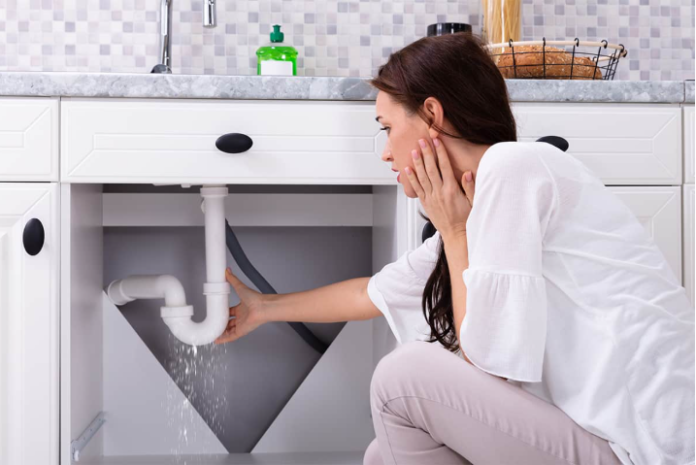

For homes to be safe and useful, their plumbing needs to work. Your plumbing does all of this quietly but efficiently behind the scenes daily — bringing you clean water and safely disposing of wastewater. Unfortunately, a lot of homeowners only consider it upon something breaking. It’s easy to stay away from small problems like water leaks, clogged drains, and broken lines, but they will happen over time if you don’t do regular upkeep. You can make your pipes last longer by doing a few easy things. This will keep you from having to pay for expensive repairs in the future.
Be Mindful of What Goes Down the Drain?
Do not flush things that are bad for you down the toilet. It’s simple to complete. In the kitchen sink, you should never put cooking oil, fat, coffee grounds, or big pieces of food. Over time, these can get stuck in lines and make them hard to clear.
Also, see to it that you care about your lavatory channels as well. Eventually, hair and other things you wash down from personal care products and soap can impede water flow. Keep drains free: Using drain straws in the sink and bath will cut down the frequency of cleaning your drains and prevent things from getting into your plumbing system.
Repair Small Leaks Promptly
Running toilets, dripping faucets—might not seem pressing at this moment to stop something from leaking like a faucet or small pipe leak, but even slow leaks waste valuable water, and if they last long enough, will cause harm to cabinets, floorboards and walls, which cost even more in repairs. It also keeps water inside, which lets mould grow and weakens building materials in dark places.
Regularly check all water parts, like open lines, taps, and others. Anytime you see wet spots, watermarks, or sudden increases in your water bill, you need to fix this right away. Not waiting for things to get worse.
Avoid Using Chemical Drain Cleaners
Chemical drain cleaner to the rescue is a common theme when drains start opening up slowly around homes. For a short time, these treatments may work very well, but if they are used too much, they could damage other types of pipes and fittings.
Get a drain plunger or dig out the visible junk by hand for a better way to do it. Getting outside help is generally easiest and best if the blockage persists.
Monitor Water Pressure
It may feel good to walk into or out of the bathroom with a lot of water flowing through the pipes, connections, faucets, and appliances. Since these lines are always wet, they are more likely to leak or break over time.
You might want to check it out if the water pressure in your home is going up too quickly or seems too high. Maintaining the right pressure within certain levels to ensure asset health for the entire system.
Inspect Plumbing Fixtures Every Month
A quick check-up once a month can help you find problems before they get worse. To find water damage, look for wet spots under sinks, rust on lines that you can see, or toilets that might be leaking at the base.
Additionally, pay attention to any odd sounds, such as pipes banging or water running nonstop. Things are probably not right here, and they need to be fixed right away.
Protect Your Hot Water System
It is difficult to make that water heater at home work. If you take care of it often, it works better and lasts longer.
When one or more of these signs manifest themselves — water that isn’t the same temperature all the time, strange noises coming from your unit or rusty water in your plumbing system also hydraulically coupled to your heating grids, clear leaks near the unit (only visible for heat pumps), you may as well be in rush mode. Don’t wait to see these signs; they will help you avoid many costly issues.
Schedule Preventive Plumbing Maintenance
There should always be a periodic inspection, even if most things are working perfectly. Professional plumbers are trained to pick out leaks that are hidden, old pipes, leaky seals, and other issues that are in the making, which they may miss.
But you can avoid big repairs by scheduling professional plumbing services in Northbridge, a qualified one to check and maintain the whole plumbing system before little issues become major damage. Most of the time, preventative maintenance saves time and money by making emergencies less likely.
Know Where Your Main Water Shut Off Valve Is?
Each homeowner should know where the main water switch is. Immediately turn off the water if a pipe breaks or a bigger leak appears. These steps will greatly lower the harm.
Make sure everyone in the house knows how to press the button once you find it. Planning ahead is simple, and it can be useful right away.
Conclusion
Not much work needs to be done to keep your pipes in good shape. It is easy to keep the pipes in good shape. It’s important to clean out your drains and fix any faucets that leak right away. You should also check the water flow and make a plan for regular upkeep. People who maintain their plumbing don’t have to pay for expensive repairs, save water, and know that their system will work all year.