


Cloud computing has changed the way people and businesses store, access, and manage their data. The cloud is flexible, scalable, and cheap, but it also comes with new security threats. In today’s digital age, it’s really important to know and use good cloud security guidelines.
In this in-depth tutorial, we’ll go over important cloud security guidelines, best practices, and techniques that will help you keep your private data, apps, and infrastructure safe in the cloud.
What does it mean to have cloud security?
Cloud security is a group of technologies, rules, controls, and services that are meant to keep cloud-based systems, data, and infrastructure safe. It keeps your information safe from hackers, breaches, and other cyber risks.
As more and more people use cloud platforms, following the correct cloud security recommendations is no longer a choice; it’s a must.
Why Cloud Security Matters
Before we go into the finest cloud security techniques, let’s talk about why cloud security is crucial.
- Keeps private information safe from hackers
- Stops anyone from getting in without permission
- Makes ensuring that rules are followed
- Keeps the business running
- Makes customers trust you
Businesses that don’t follow the right cloud security advice could lose money, have their data stolen, and hurt their reputation.
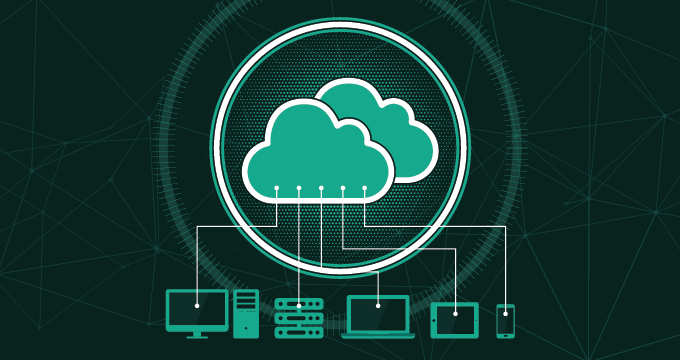
Follow These Important Cloud Security Tips
1. Use strong identity and access management (IAM).
One of the most critical strategies for cloud security is to set up effective identity and access control.
Make sure that:
- Only users with permission can go to resources.
- Roles determine who gets what permissions.
- Access is checked on a regular basis.
If you use IAM correctly, you are less likely to let someone in without permission.
2. Turn on Multi-Factor Authentication (MFA)
Enabling multi-factor authentication is another important step for keeping your cloud secure.
MFA offers an extra layer of security by requiring:
- Password
- OTP or app for authentication
- Checking with biometrics
MFA helps keep your cloud environment safe even if your password is stolen.
3. Encrypt data that is not being used and that is being sent
One of the best cloud security suggestions is to encrypt your data.
Check to see:
- Data that is not being used is encrypted.
- Data in transit employs safe procedures.
- Encryption keys are kept safe.
Encryption makes sure that data can’t be read even if it is intercepted.
4. Keep systems up to date and patched.
Old systems are a big risk. One of the easiest ways to keep your cloud safe is to keep everything up to date.
- Install security updates on a regular basis
- Keep your operating systems and apps up to date.
- Get rid of old software
This lowers the risk of known vulnerabilities.
5. Keep an eye on and record all activities
Keeping an eye on things all the time is an important cloud security tip.
- Keep an eye on what users do
- Check how well the system is working
For audits, use logging tools.
This helps you see strange behavior early and act fast.
6. Use APIs that are safe
APIs are very important for cloud services, but they can also be a problem.
Important cloud security tips for APIs are:
- Use authentication and permission
- Protect API interactions with encryption
- Restrict access to the API
Secure APIs keep your cloud environment safe from threats from the outside.
7. Put in place security measures for the network
Network security is a big part of keeping the cloud safe.
Here are some important guidelines for keeping your cloud safe:
- Use firewalls
- Set up VPNs
- Network segments
These steps help keep traffic under control and stop people from getting in without permission.
8. Make backups of your data often
Cyberattacks or system failures can cause data to be lost.
A very important suggestion for cloud security is:
- Set up automatic backups
- Keep backups in more than one place.
- Check the recovery of backups
Regular backups make sure that business goes on.
9. Stick to the Rule of Least Privilege
The principle of least privilege says that users should only be able to do what they need to do.
This tip for cloud security is helpful:
- Cut down on dangers from inside
- Limit the damage that hacked accounts can do
- Make security better overall
Always check and change permissions.
10. Teach Workers About Security
Errors made by people are a big reason why security breaches happen.
Training employees is one of the most important but often forgotten cloud security strategies.
- Teach people about phishing attacks
- Teach them how to make safe passwords
- Hold security workshops on a regular basis
A crew that has been well-trained makes your cloud security stronger.
Threats to Cloud Security That Happen Often
You can use cloud security recommendations effectively if you know what risks are.
Big Threats Are:
- Data leaks
- Cloud settings that aren’t set up right
- Threats from inside
- Malware and ransomware
- Taking over an account
To defend the cloud effectively, you need to deal with these dangers.
Table of Best Practices for Cloud Security
| Security Area | Best Practice | Benefit |
|---|---|---|
| Access Control | Use IAM and MFA | Prevent unauthorized access |
| Data Protection | Encrypt data | Secure sensitive information |
| Monitoring | Enable logging and alerts | Detect threats early |
| Network Security | Use firewalls and VPNs | Protect network traffic |
| Backup | Regular data backups | Ensure data recovery |
your files on a regular basisMake sure you can get your data back.
These best practices go along with important cloud security tips that will make your environment safer.

More advanced tips for cloud security
1. Use the Zero Trust Security Model
Zero Trust means that you should never trust a user or gadget without checking it out first.
- Check every request
- Keep an eye on access all the time
- Limit permissions
This new way of doing things makes the cloud safer.
2. Set up automated security
Automation makes things work better and cuts down on mistakes made by people.
- Make threat detection automatic
- Use technologies that use AI to watch
- Set up automatic updates
Automation is becoming an important feature of advanced cloud security recommendations.
3. Do security audits on a regular basis
Regular audits help find weaknesses.
- Do penetration testing
- Look over the settings
- Check the standards for compliance
Audits make sure that your cloud environment is safe.
4. Protect Endpoints
Devices that connect to the cloud need to be safe.
Some important tips for keeping your cloud safe:
- Install antivirus software
- Keep your devices up to date
- Limit access from devices that aren’t known
Endpoint security makes everything safer.
5. Take care of cloud settings the right way
One of the main reasons for breaches is misconfiguration.
- Check settings often
- Use safe defaults
- Don’t let data be shown in public
Setting things up correctly is an important advice for cloud security.
Why You Should Follow Cloud Security Tips
Using good cloud security guidelines has a number of benefits:
- Better protection for data
- Less likely to be attacked by hackers
- Better compliance
- Better business continuity
- Customers trust you more
For long-term success, cloud security must be strong.
Problems with Cloud Security
Even with the finest cloud security advice, there are still problems:
- Cloud environments that are hard to understand
- Model of shared responsibility
- Not being able to see
- Threats that change quickly
Knowing about these problems helps make security plans that work better.
What the Future Holds for Cloud Security
The security of the cloud is always changing. Some cloud security tips that look ahead are:
- AI-based threat detection
- More people are using Zero Trust models
- Better ways to encrypt data
- More robust compliance frameworks
Keeping up with these developments will help keep you safer.
A Useful Cloud Security Checklist
Here is a quick list of important cloud security tips:
- Allow all users to use MFA
- Make sure all private data is encrypted.
- Update systems on a regular basis
- Keep an eye on cloud activity
- Make backups of your data often.
- Limit access for users
- Give workers training
- Make sure APIs and networks are safe
Following this list can make your cloud security much better.
In conclusion
Cloud computing has many great benefits, but it also needs solid security. If you follow the appropriate cloud security measures, you can keep your data, apps, and infrastructure safe from possible dangers.
Every step is important for making the cloud safe, from allowing multi-factor authentication to encrypting data and training personnel. As cyber threats change, getting ahead of the game by following the latest cloud security guidelines will help you stay safe.
Putting money on cloud security now will make the digital world safer and more reliable in the future.
Read More:-Cloud Gaming Explained: Benefits, Platforms, and Future Trends